18 August 2026 · 9 min read
BioPhotonix Advances PBM for Dry AMD and Dry Eye Through Collaboration and Research
Dry age-related macular degeneration is one of the most frustrating conditions in eye care: common, sight-threatening, and still without a widely used treatment that can slow the disease for most people in its earlier dry form.
That gap matters. Dry AMD can affect reading, driving, recognising faces, colour perception, and confidence with daily tasks. It often progresses slowly, but the uncertainty can be hard for patients and clinicians alike. For years, management has centred on monitoring, lifestyle advice, nutritional support where appropriate, and rapid referral if signs of wet AMD appear.
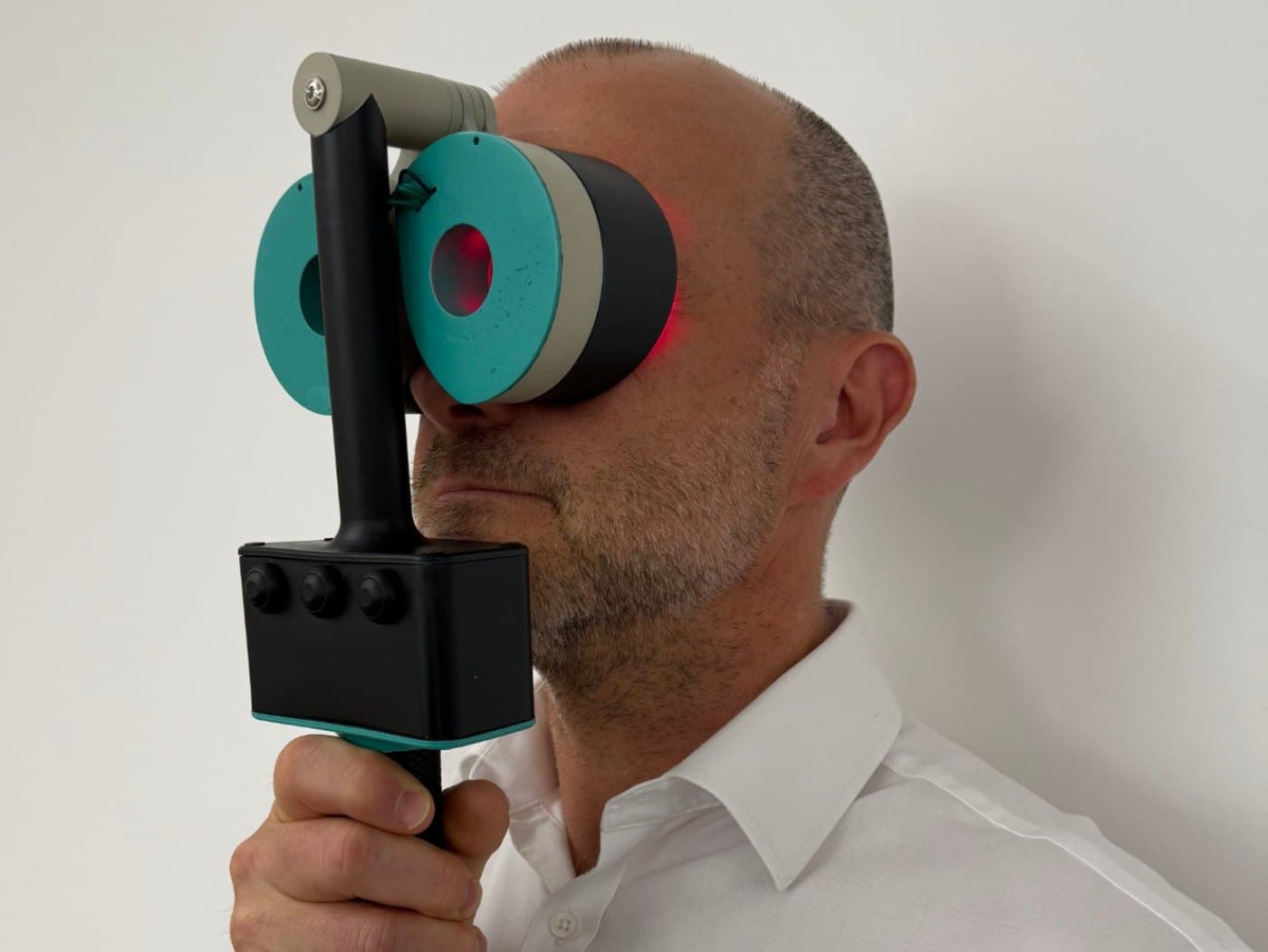
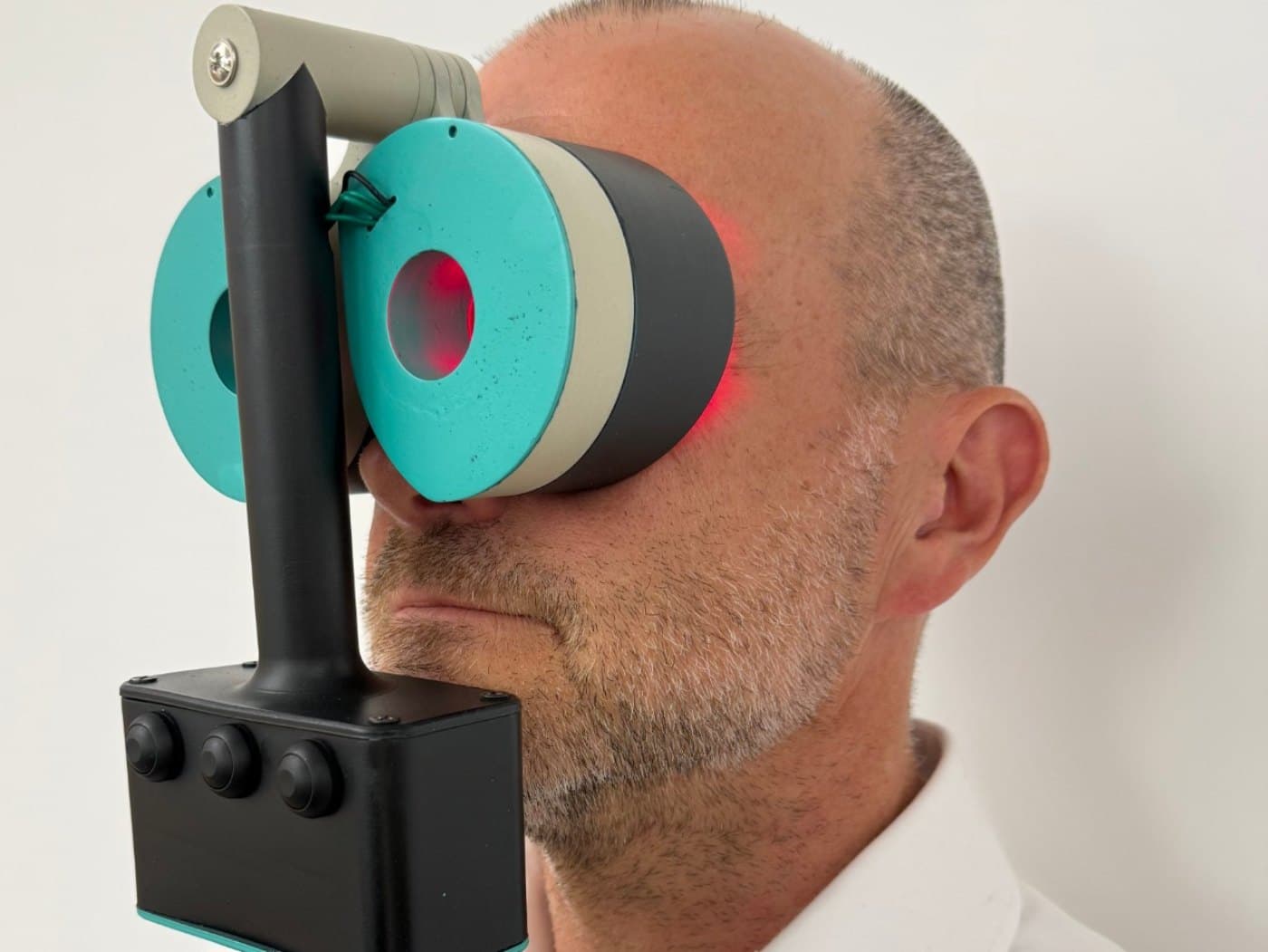
BioPhotonix, a sister company of RevolutionEyes, is working in a field that could help change that conversation: photobiomodulation, often shortened to PBM. The approach uses selected wavelengths of light to stimulate biological processes in tissue. In eye care, PBM is being studied as a non-invasive treatment for dry AMD and dry eye, two conditions with different causes but a shared need for safer, more practical long-term options.
This article is for general information only and should not be taken as medical advice. Diagnosis and treatment decisions should always be made with a qualified eye care professional.
Why dry AMD has been so hard to treat
Age-related macular degeneration affects the macula, the central part of the retina responsible for detailed vision. In dry AMD, waste deposits known as drusen can build up beneath the retina, and retinal cells may gradually lose function. In later stages, some people develop geographic atrophy, where areas of retinal tissue waste away. Others may convert to wet AMD, where abnormal blood vessels grow and leak.
Wet AMD has benefited from anti-VEGF injections, which can preserve vision for many patients when delivered early and regularly. Dry AMD has been harder to treat. For most people with early and intermediate dry AMD, care still tends to involve:
- Regular eye examinations and retinal imaging
- Smoking cessation and cardiovascular risk management
- Dietary advice, including discussion of AREDS-style supplements for suitable patients
- Education on symptoms that should trigger urgent review
These steps are valuable. They can reduce risk, support general eye health, and help detect progression. Yet they do not amount to an active, widely available treatment that restores retinal function or reliably stops dry AMD from advancing.
Newer medicines for geographic atrophy have begun to shift the field, but they are aimed at a later form of dry AMD and involve repeated injections. They also do not reverse lost vision. That leaves a clear need for non-invasive approaches that could be offered earlier in the disease pathway, if evidence continues to support their use.
PBM takes a different route from conventional treatment
PBM does not work like an injection, a supplement, or surgery. It uses carefully selected light wavelengths, commonly in the red to near-infrared range, delivered in controlled sessions.
The biological theory behind PBM centres on the mitochondria, the energy-producing structures inside cells. Some research suggests that certain wavelengths may influence mitochondrial activity, oxidative stress, inflammation, and cellular repair pathways. These mechanisms are relevant to retinal disease because the retina has high energy needs and is vulnerable to oxidative damage over time.
For dry eye, PBM is being explored for a different but related reason. Dry eye often involves tear film instability, inflammation, and meibomian gland dysfunction. Some clinical approaches use light-based therapy to calm inflammation, improve gland function, and support a healthier ocular surface.
BioPhotonix is building on research rather than hype
BioPhotonix's role is best understood as part of a wider research movement. As a sister company of RevolutionEyes, it sits close to clinical eye care, where patient need and real-world treatment questions are visible every day.
That clinical link matters. New eye care technologies often fail when they do not fit how clinics actually work. A therapy may look promising in theory, yet still struggle if treatment times are too long, referral pathways are unclear, staff training is complex, or outcomes are not easy to measure.
That approach is especially important because PBM sits in a space where public interest can run ahead of the evidence. Light-based therapies are easy to oversell. The responsible path is slower and more useful: test the treatment, publish the results, refine the protocol, and keep asking which patients are most likely to benefit.
LIGHTSITE III gave PBM a stronger evidence base
The LIGHTSITE III trial is one of the most discussed studies in PBM for dry AMD. It evaluated photobiomodulation in people with dry AMD using a controlled clinical trial design, with treatment delivered through a dedicated ocular light delivery system using multiple wavelengths.
Reported findings indicated improvement in best-corrected visual acuity in the PBM-treated group compared with sham treatment at key follow-up points. The study also reported favourable safety observations, with no major signal suggesting serious device-related harm in the published results.
That matters because dry AMD trials are difficult. Vision can fluctuate. Disease progression varies from person to person. A controlled trial helps separate a true treatment effect from normal variation, placebo effect, or test-retest changes. Still, the findings should be read with care. The field needs answers to several practical questions:
- How long do the benefits last after each treatment course?
- How should clinicians measure success beyond letter charts?
- Does PBM affect drusen volume, retinal structure, or progression risk over years?
LIGHTSITE III is important because it moves PBM beyond anecdote. It does not end the debate. It gives researchers, clinicians, and companies such as BioPhotonix a stronger foundation for the next phase.
Collaboration is shaping the next stage
Progress in medical technology rarely comes from one organisation working alone. Clinicians help define the real problem. Researchers design the studies and choose endpoints that are meaningful rather than merely measurable. Technology teams build and refine the treatment systems, covering wavelength selection, dose control, comfort and safety safeguards. Patients make the work real, because their reported experience and long-term outcomes show whether a therapy fits into actual life.
For BioPhotonix and RevolutionEyes, the value of partnership lies in connecting these groups. A sister-company relationship can support faster feedback between clinical experience and research planning, as long as the work remains transparent and evidence-led.
Considering an assessment?
Every patient is assessed before treatment is discussed, and we will tell you if photobiomodulation is not right for you.
Arrange an assessment