When managing conditions like dry age-related macular degeneration or persistent dry eye disease, timely and effective eye care is essential. Knowing how to schedule an eye exam and access the right services in Scotland can make a significant difference in maintaining your eye health and comfort.
Why scheduling matters
Scheduling an eye exam is the first step toward managing your eye condition effectively. Regular check-ups allow eye care professionals to monitor changes, adjust treatments, and provide advice tailored to your needs. For those with dry AMD or persistent dry eye disease, early detection and ongoing care can help slow progression and improve quality of life.
Eye exams in Scotland are available through the National Health Service and private providers. NHS eye exams are free for certain groups, including those over 60, under 16, or with specific medical conditions. Private eye care can offer quicker appointments and access to specialists with advanced diagnostic tools.
How to book
- Contact a local optometrist. Most offer both NHS and private eye exams, and you can usually book by phone or through their website.
- Use online booking where it is offered, which saves waiting on the phone.
- Mention NHS eligibility when booking if you qualify, as you may need to provide proof.
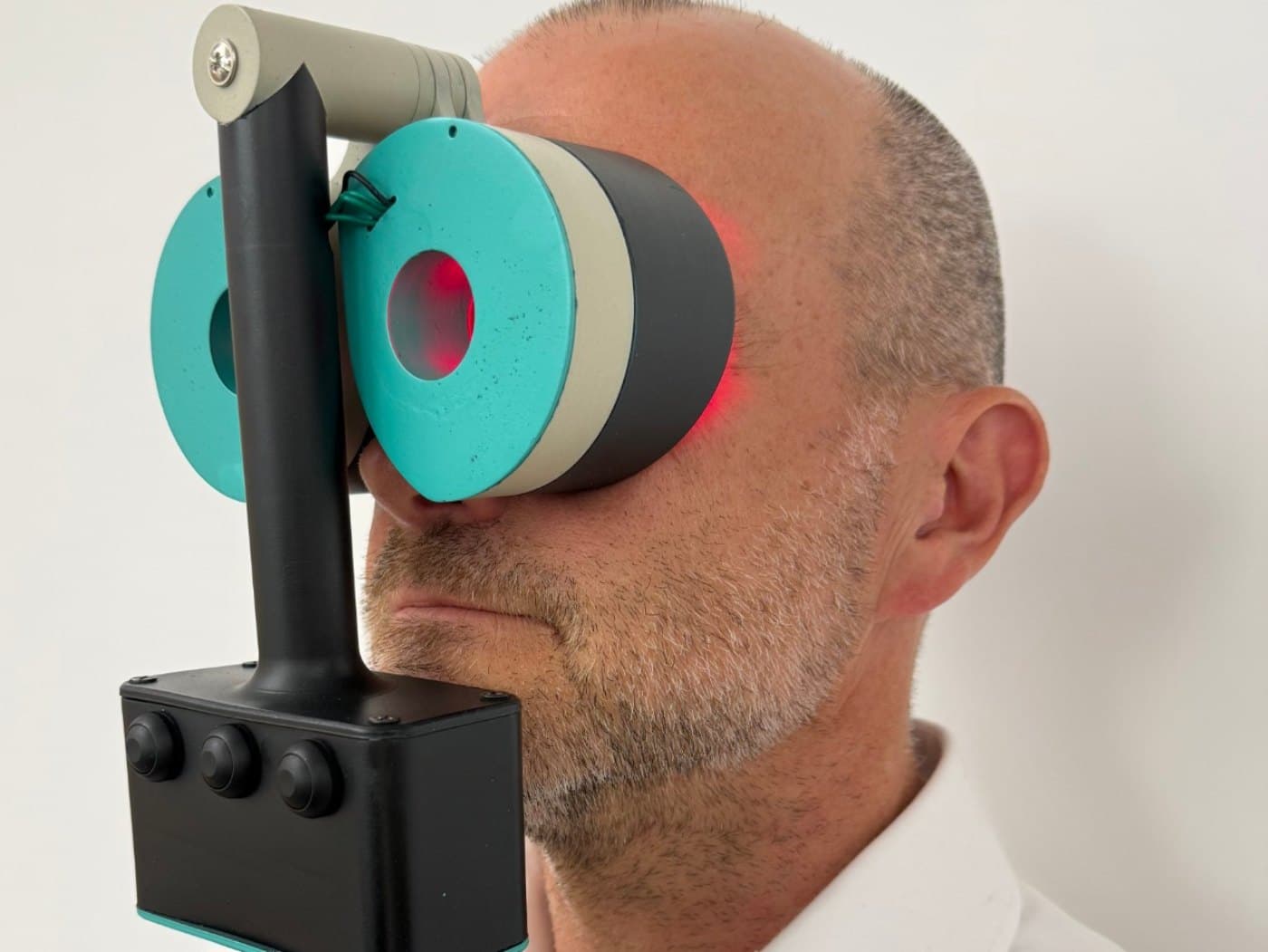
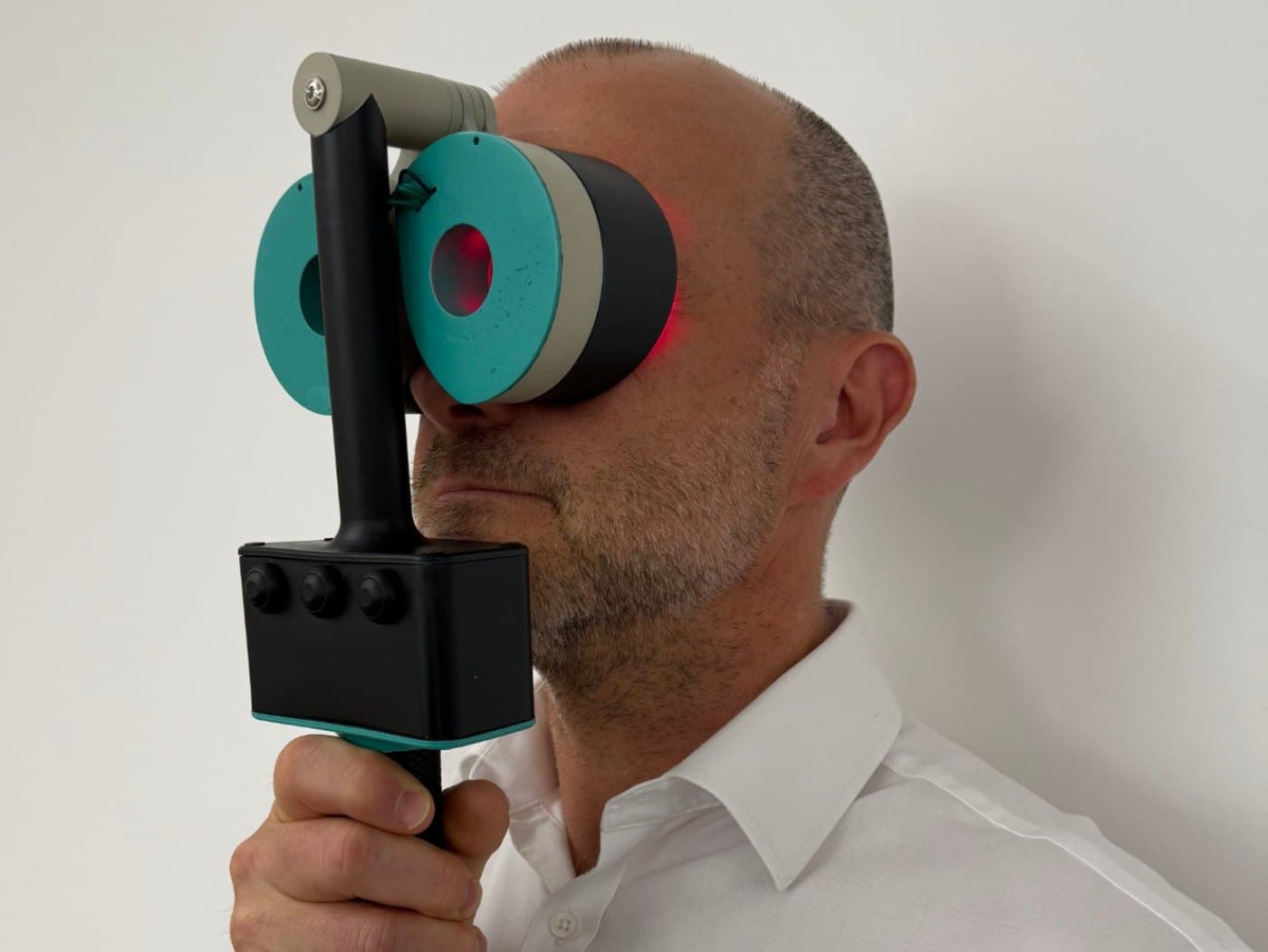
- Consider a specialist clinic if you are managing dry AMD or persistent dry eye, since these may offer light-based therapy or tailored management plans.
- Have your details ready, including your condition, medications and any previous treatments.
What private eye care costs
Private eye exams in the UK typically range from £40 to £100, depending on the clinic and the complexity of the examination. Specialist consultations, especially for conditions like dry AMD or persistent dry eye disease, may cost more due to the advanced equipment and expertise required.
Additional treatments or diagnostic tests, such as optical coherence tomography scans or light-based therapies, can add to the cost. It is a good idea to ask about fees upfront when booking your appointment.
What to expect at your appointment
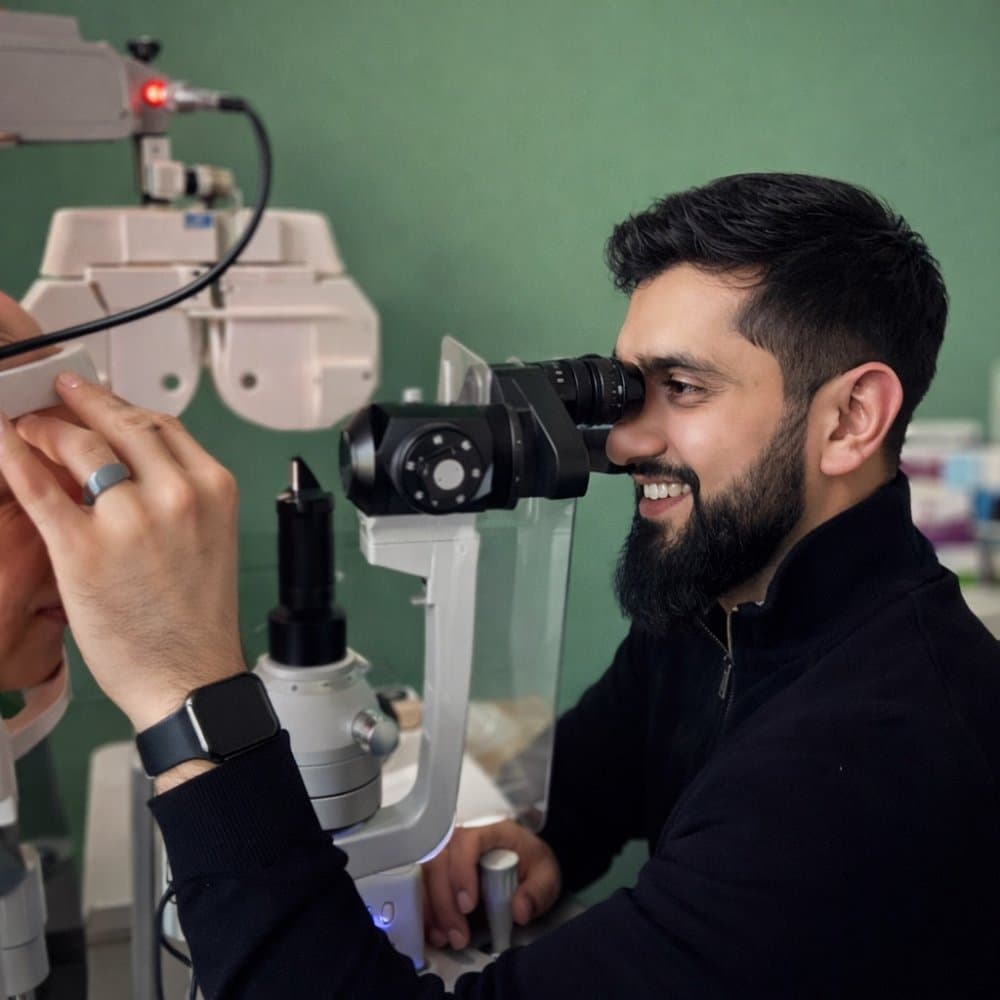
When you arrive, the optometrist will take a detailed history of your eye health and symptoms. They will perform a series of tests to assess your vision, eye pressure, and the health of your retina and cornea. For dry AMD and persistent dry eye disease, the exam may include retinal imaging and tear film assessment to evaluate dryness and eye surface health.
The optometrist will discuss your results with you and recommend a management plan. This may include lifestyle advice, prescription eye drops, or referrals to specialist services.
Managing symptoms at home
- Use lubricating drops to keep your eyes moist and reduce irritation
- Protect your eyes outdoors by wearing sunglasses with UV protection
- Maintain a healthy diet rich in antioxidants
- Stay hydrated by drinking plenty of water throughout the day
- Use a humidifier in dry environments to maintain moisture in the air
If you experience sudden changes in vision or increased discomfort, contact your eye care provider promptly.
Finding the right provider
Choosing the right eye care provider is crucial for effective management. Look for clinics that have experience with your specific condition, offer advanced diagnostic and treatment options, and are conveniently located or able to see you at home. Reading reviews and asking for recommendations can help you find a trusted provider.
Considering an assessment?
Every patient is assessed before treatment is discussed, and we will tell you if photobiomodulation is not right for you.
Arrange an assessment